LEE Ufan Quiet Resonance (AGNSW)
More information: Art Gallery NSW
In Conversation with Michael Brand, AGNSW
Wednesday 28 September 2024
“…Lee values the power of emptiness to generate both harmony and tension between objects and people.
For him, the space around objects is as significant as the objects themselves…”
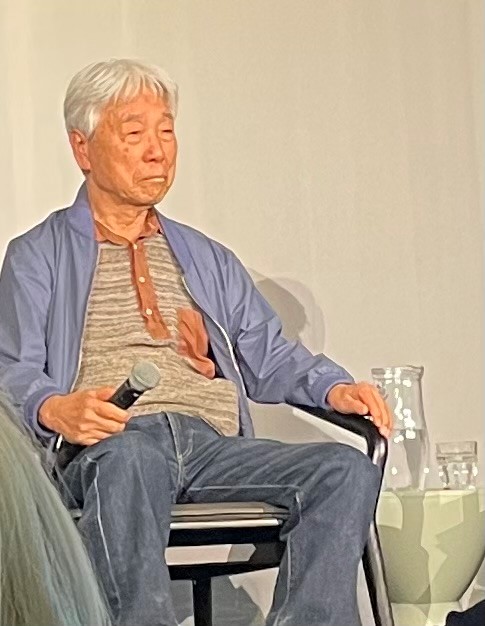
A very short, very abbreviated, introduction to Lee Ufan:
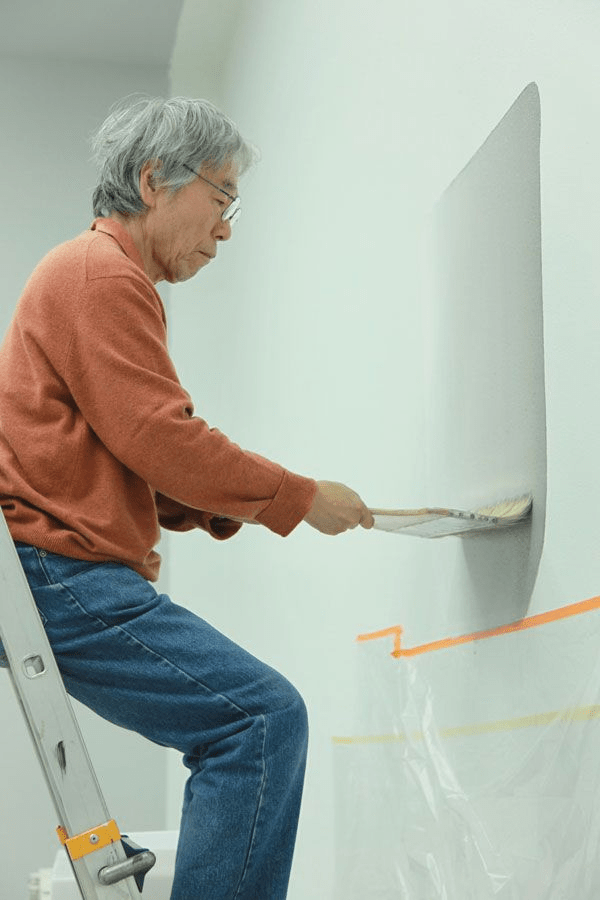
Lee Ufan was born in Korea in 1936 during the Japanese Occupation into a traditional, Korean/Confucian family. In 1956 he moved to Japan to study Literature and Philosophy; his ambition was to be a writer. In his early career he was an art critic, philosopher and then artist. During his long lifetime he has published 17 books and a great many essays about art, Asian culture, philosophy and democracy, and translated others into French.
“…Lee’s sparing use of simple materials, including stone, steel and canvas, has a quiet force that encourages contemplation and consideration of the physical and intellectual self in relation to the work…”
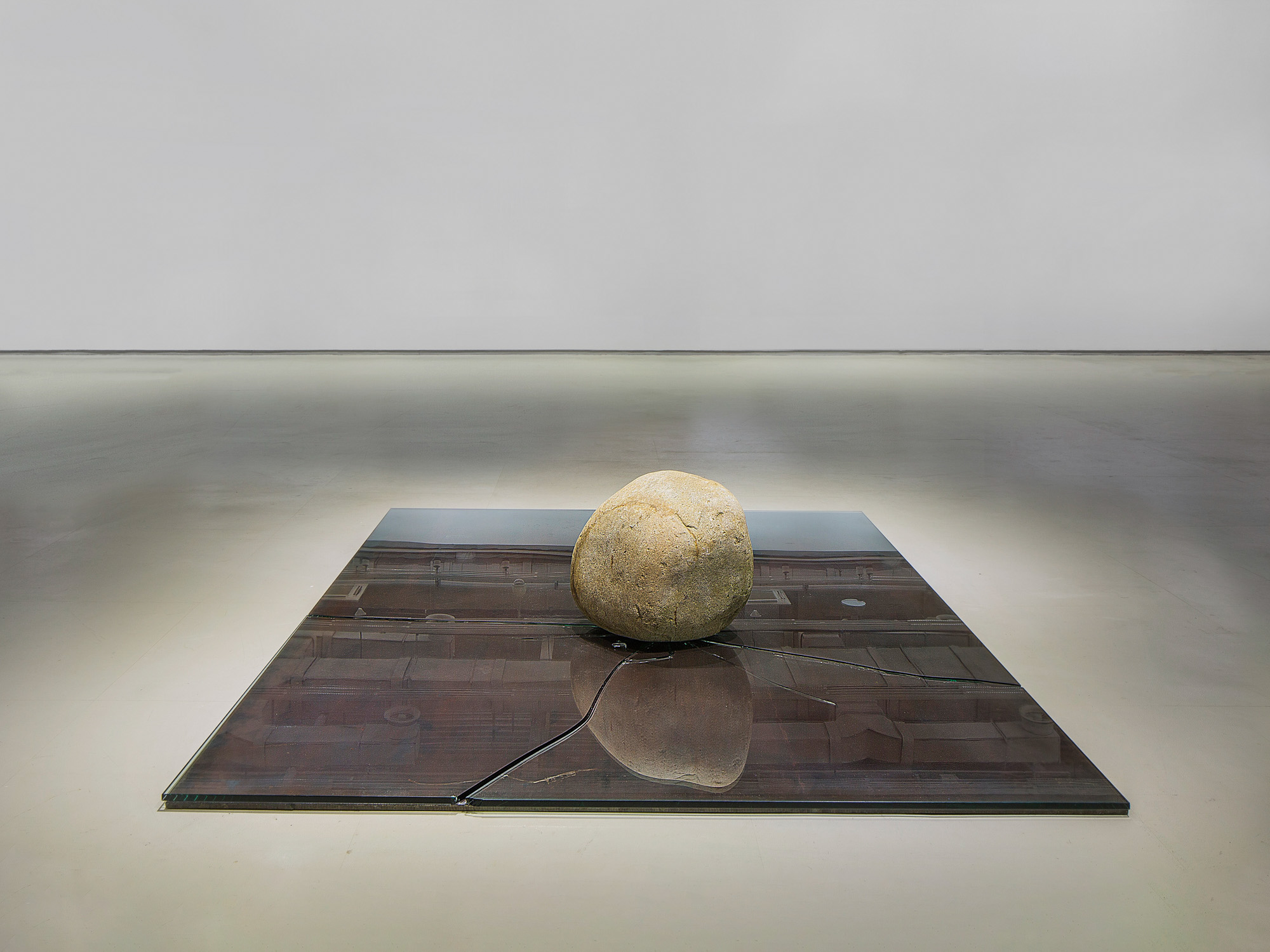
In the late 1960s he began exhibiting in Tokyo and in 1969 he wrote an essay, “Object to Being”, that expressed his philosophical ideas about art and the relationship between an artwork and the viewer. He relocated the agency of experience from the artist to the viewer, he saw the artwork as being activated not by the intention of the artist, but by the viewer’s engagement with the materiality and physicality of the artwork/object.
In the 1970s Lee became involved in the Mona-ha art movement in Japan, a school of thought that rejected Western notions of representation, focusing instead on the relationships of materials and perceptions rather than on expression or intervention. The movement’s goal was to embrace the world at large and encourage the fluid coexistence of numerous beings, concepts, and experiences.
(https://en.wikipedia.org/wiki/Lee_Ufan)
A lot happened after this…
E.g. Museums in Naoshima, Busan & Arles, and we will visit Space: Lee Ufan in Busan very soon!
 Judith Salmon Travel